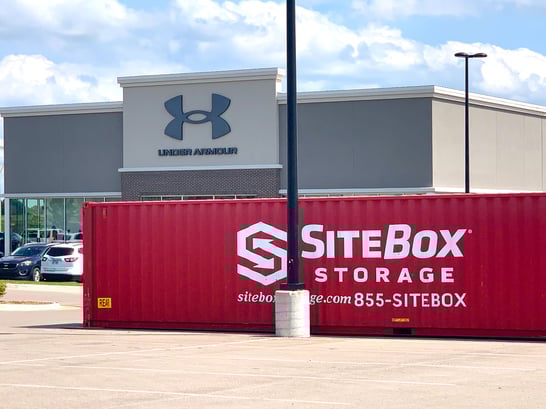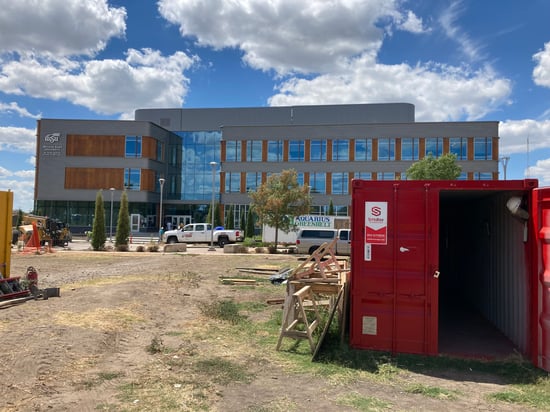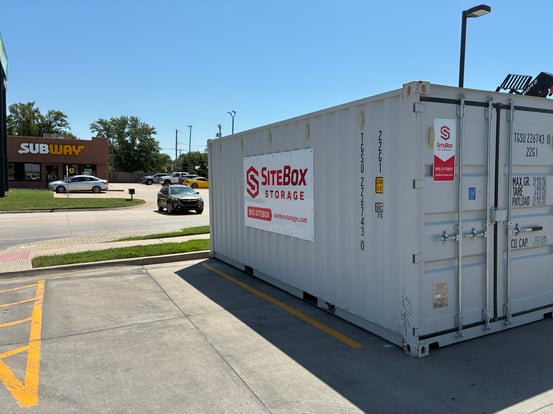


Every worksite needs solid storage space. That's just reality. When you're running a construction crew, managing an industrial facility, or handling a commercial project, expensive tools and materials need somewhere secure to go. Without proper storage, you're dealing with theft risks, disorganization, and delays that'll wreck your timeline and blow your budget.
Storage problems hit projects of all sizes, from small home renovations to huge commercial builds across Texas. The right storage solution protects your investment and keeps your site running smoothly.
Understanding Portable Storage Containers
Portable storage containers have become the obvious choice for worksite storage needs. These weatherproof units show up right where you need them and move along as your project changes. Construction sites and renovation projects need that kind of flexibility.
Something worth noting: over 72% of construction sites use portable storage containers for equipment security now. They come in different sizes. Compact units for smaller jobs or 40-footers that handle serious equipment. Most rentals run about 26.7 days on average, though plenty of companies keep them longer.
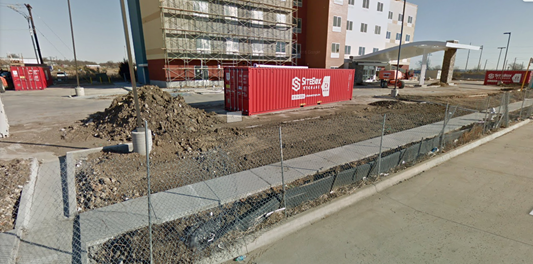
Having storage onsite changes how work gets done. Your crew grabs tools without leaving the worksite, which saves time and keeps productivity up. Those lockable doors mean you can relax at night knowing your gear stays put after everyone heads home.
Security Features That Protect Your Investment
Stolen tools from a job site? That's frustrating and expensive. Portable storage containers tackle this problem with tough locking systems made for worksites. They reduce on-site theft by roughly 43.6%. A huge difference when you're protecting thousands in equipment.
Quality units have heavy-duty locks that resist tampering. Thick steel walls create a real barrier against break-ins. Want more protection? Add lockboxes, extra padlock guards, or connect alarm systems.
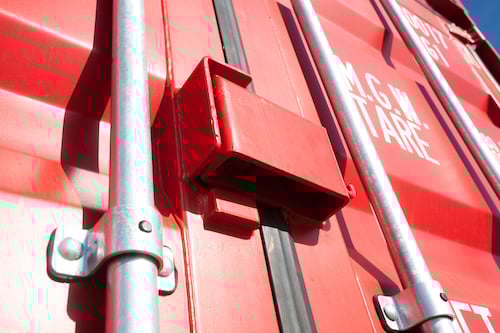
Security goes beyond just locks, though. Organized storage means your crew spots missing items immediately. Tools stay where they belong, materials don't wander off, and everyone stays accountable. Simple organization makes tracking your inventory much easier.
Size and Capacity Options for Every Project
Choosing the right container size matters. Too small and you're cramped. Too big and you're wasting money. Options range from 10-foot units for smaller work up to 40-foot containers handling major operations.
These containers are built strong. Holding up to 9,800 pounds safely on average. That covers a lot of tools, equipment, materials, and paperwork. Smaller units suit residential jobs or dedicated trade storage. Bigger containers become your central hub for large construction sites.
You can adjust as projects grow. Start with one container, add more later. Mix different sizes to organize various materials. Projects always accumulate more stuff than expected, so planning ahead saves headaches. Your storage company can recommend what size works for your situation.
Durability and Weather Resistance
Worksites are tough on everything. Extreme heat, freezing cold, rain, wind, dust. All of it. Quality portable storage containers handle these conditions while protecting what's inside. Reinforced walls, tight door seals, rust-resistant materials. They're designed for this.
Temperature changes can damage sensitive gear. Standard containers handle basic weather protection well. Need climate control for electronics or temperature-sensitive materials? Specialized units exist for that. You can keep more supplies onsite instead of constantly transporting them.
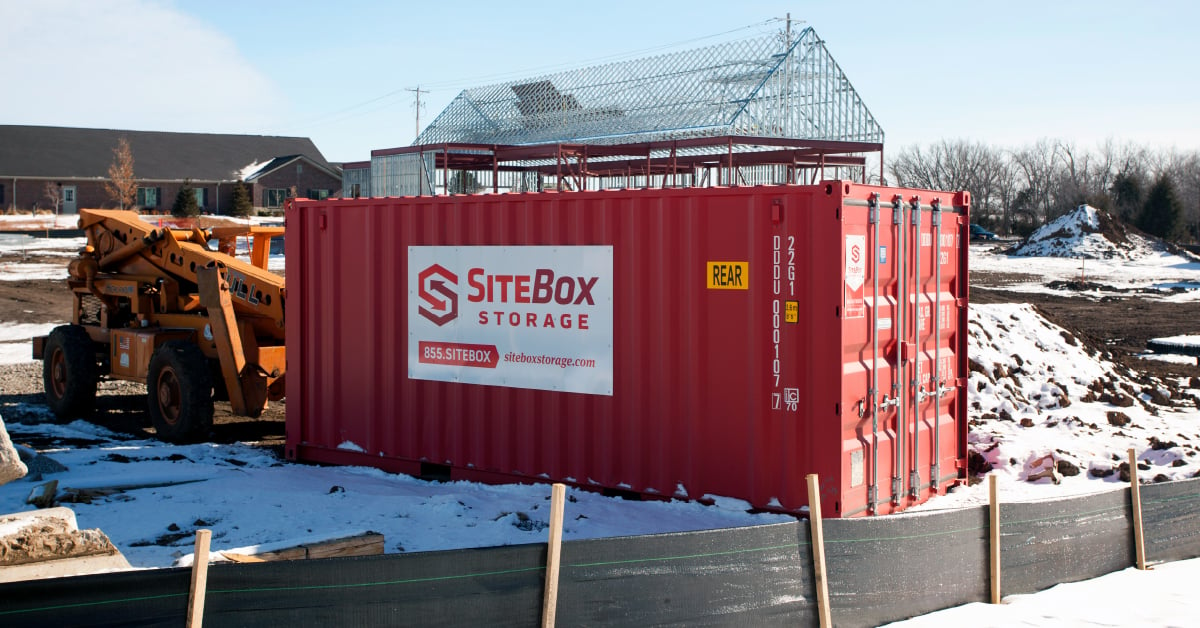
The construction itself is serious business. Heavy-gauge steel walls withstand impacts. Reinforced floors support major weight without bending. You're protecting your container investment and everything valuable inside it.
Customization and Accessibility Features
Modern portable storage goes beyond basic metal boxes. Add shelving, pipe racks, and wall dividers to create organized systems matching how you actually work. When everything has a designated spot, crews spend less time searching and more time working.
Wall dividers work great. Split one container into sections for different trades or material types. Electrical supplies separate from plumbing gear. One contractor's materials stay distinct from another's. Results speak clearly: more than 58% of projects reported better site organization after adding portable storage units.
What's inside matters, but so does access. Ground-level entry, wide doors, smart placement around your worksite. Workers grab what they need fast. Some containers include ramps for wheeled equipment. Consistent systems across projects help teams develop efficient routines.
Rental vs. Purchase Considerations
Rent or buy? Depends on your business operations and storage frequency. Renting provides flexibility for short-term projects without major upfront costs. Rental companies handle delivery, pickup, and typically maintenance. Simplifying project management.
Budget-wise, rental rates depend on size, duration, and location. You get predictable monthly expenses fitting project budgets. Running multiple jobs or needing containers in various Texas locations? Renting lets you scale capacity up or down without owning unused containers.
Buying works when you constantly need storage. Monthly fees stop, and you own reusable assets. The downside? Large upfront investment, plus you handle maintenance, relocation, and eventual disposal.
Many companies use both approaches. Buy some for main facilities, rent extras for specific projects. This balances cost savings with operational flexibility. Discuss with your storage provider which setup fits your business model.
Integrating Mobile Offices for Complete Worksite Solutions
Storage solves one problem, but where do you actually work? Mobile offices complement storage containers by providing workspace right on location. Desks, meeting space, project management areas. Whatever runs things smoothly. Some include AC, electrical systems, everything needed.

Combining storage and office space onsite improves workflow considerably. Project managers move between stored materials and planning areas without driving across town. Less travel time means more productive work time.
Mobile offices vary by configuration, matching different needs and budgets. Basic setups provide essential workspace. Premium options include bathrooms, break rooms, conference areas. Build worksite facilities matching exact project requirements.
Strategic placement matters significantly. Storage near main work areas reduces material transport time. Central office locations improve jobsite communication and supervision. Thoughtful layout planning maximizes both storage and office benefits.
Frequently Asked Questions
What are portable storage containers?
Secure, weatherproof units storing tools, equipment, materials, and supplies at your worksite. Made from durable steel, delivered where needed, and moved or removed when finished.
What sizes do worksite storage containers come in?
Typically 10 to 40 feet long. Common sizes include 10-foot, 20-foot, and 40-foot units. Different sizes accommodate varying needs from small tool storage through major equipment protection.
How secure are portable storage containers?
Quite secure. Heavy-duty locks and solid steel construction provide strong protection. They reduce on-site theft by approximately 43.6%. Many include additional security features like lockboxes and tamper-resistant locks.
Can I rent portable storage containers for a worksite?
Yes, rental options are widely available. Provides flexibility for varied project lengths without purchasing. Average rental duration runs about 26.7 days, customizable to your timeline.
Are portable storage containers weatherproof?
Definitely. Quality units feature reinforced walls, tight door seals, rust-resistant materials. They protect contents from rain, snow, wind, and temperature extremes.
How easy is it to move portable storage containers?
Storage companies handle relocation with specialized equipment and trained personnel. Schedule delivery, they position units where specified, and retrieve them when ready.
What materials are used to make worksite storage containers?
Primarily heavy-gauge steel, providing durability and security. Steel construction resists damage, supports substantial weight, withstands harsh worksite conditions.
Can portable storage containers be customized?
Yes. Available customization includes shelving, pipe racks, wall dividers, specialized door configurations. Features enhance organization and accessibility for specific needs.
How much does it cost to rent a portable storage container?
Costs vary by size, rental duration, location, and features. Getting quotes from storage providers determines exact pricing for specific requirements and budget alignment.
Where can I buy or rent worksite storage containers?
Available through portable storage companies serving construction and industrial clients. SiteBox Storage offers rental and purchase options throughout Texas and surrounding regions, with delivery services and support for selecting appropriate solutions.
SiteBox Storage provides worksite storage solutions including portable containers and mobile offices tailored to project needs. Contact our team regarding sizes, pricing, and delivery logistics for your next project.