

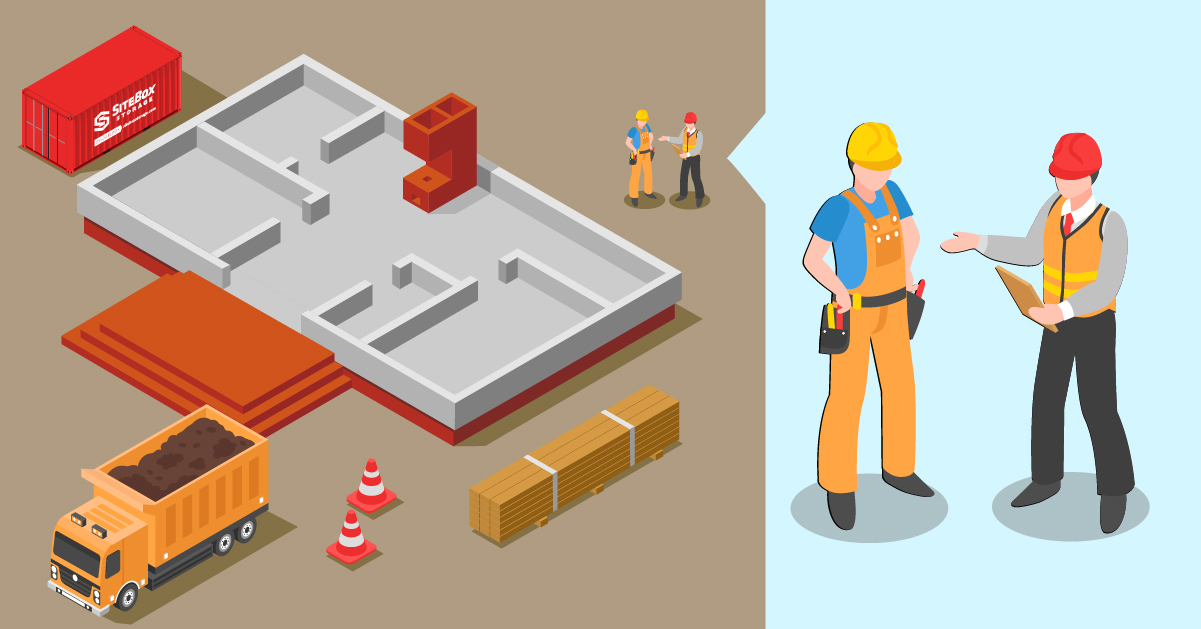
If you're researching storage container rentals for your job site and wondering whether this is a normal thing that contractors do, the short answer is yes. It's standard practice to research storage solutions. Contractors across every trade use portable on-site storage every day, and renting a CONEX box or portable storage unit is about as routine as renting a lift or a dumpster. You're not reinventing anything. You're just doing what experienced operators already do.
Why Contractors Rent Storage Containers
The construction industry loses an estimated $300 million to $1 billion annually to job site theft, with small contractors bearing a disproportionate share of those losses. That number alone explains a large part of why on-site container rental demand keeps growing.
 Beyond theft, there are two other practical reasons contractors rent portable storage. First, driving back to the shop every morning to load tools wastes time that adds up quickly across a multi-week project. Second, materials like lumber, drywall, and flooring left exposed overnight degrade from weather exposure, sometimes to the point where they need to be replaced. A lockable, weatherproof container sitting on the job site solves all three problems at once.
The portable storage container rental market is a well-established industry, with demand from the construction sector driving a significant portion of that growth. Renting a job site container is not a workaround or a last resort. It's a recognized professional tool that contractors across trades use to protect equipment, stage materials, and keep crews productive.
Key Takeaway: Renting a storage container is a routine, professional move. Contractors across every trade use portable on-site storage to protect tools, reduce haul trips, and keep job sites organized. This is a standard practice, not an unusual expenditure.
Which Contractor Jobs Need On-Site Storage
Most contractors who rent job site containers fall into recognizable categories. If you see your trade in the list below, you already know that a container makes sense for your project.
Renovation and Remodeling Contractors
Whole-home renovators and kitchen or bath remodelers typically run projects that span four to twelve weeks. During that time, cabinets, countertops, flooring, and appliances arrive on-site before they can be installed. A 20-foot container parked in the driveway or staging area keeps those materials dry, secure, and accessible without turning the homeowner's garage into a warehouse. General contractors on larger residential renovations often require subcontractors to store materials in lockable containers as a condition of site insurance coverage.
Roofing, Flooring, and Trade Contractors
Single-trade contractors, including roofers, flooring installers, and HVAC crews, often use smaller containers for shorter-duration jobs. The value isn't in storing massive quantities of material. It's in eliminating the daily round trip to retrieve tools and supplies. An HVAC crew leaving specialty equipment locked on-site overnight avoids the labor cost of reloading the truck each morning and the risk of theft from an unsecured vehicle.
Landscaping and Site Prep Crews
Landscaping contractors and excavation crews dealing with multi-day residential or commercial site work use containers to store irrigation supplies, hardscape materials, small equipment, and chemicals that can't be left exposed overnight. Remote job sites or sites without nearby access to supplies make on-site container storage especially critical, since a missing or damaged supply item can stall the entire project.
Q: Is a container worth it for a job that only lasts two weeks?
For most trade contractors, yes. When you factor in the cost of daily haul trips, the risk of overnight theft, and the crew time spent loading and unloading each day, a two-week container rental typically pays for itself within the first few days. The break-even math almost always favors the container once you account for your hourly rate and fuel costs.
Choosing the Right Container Size
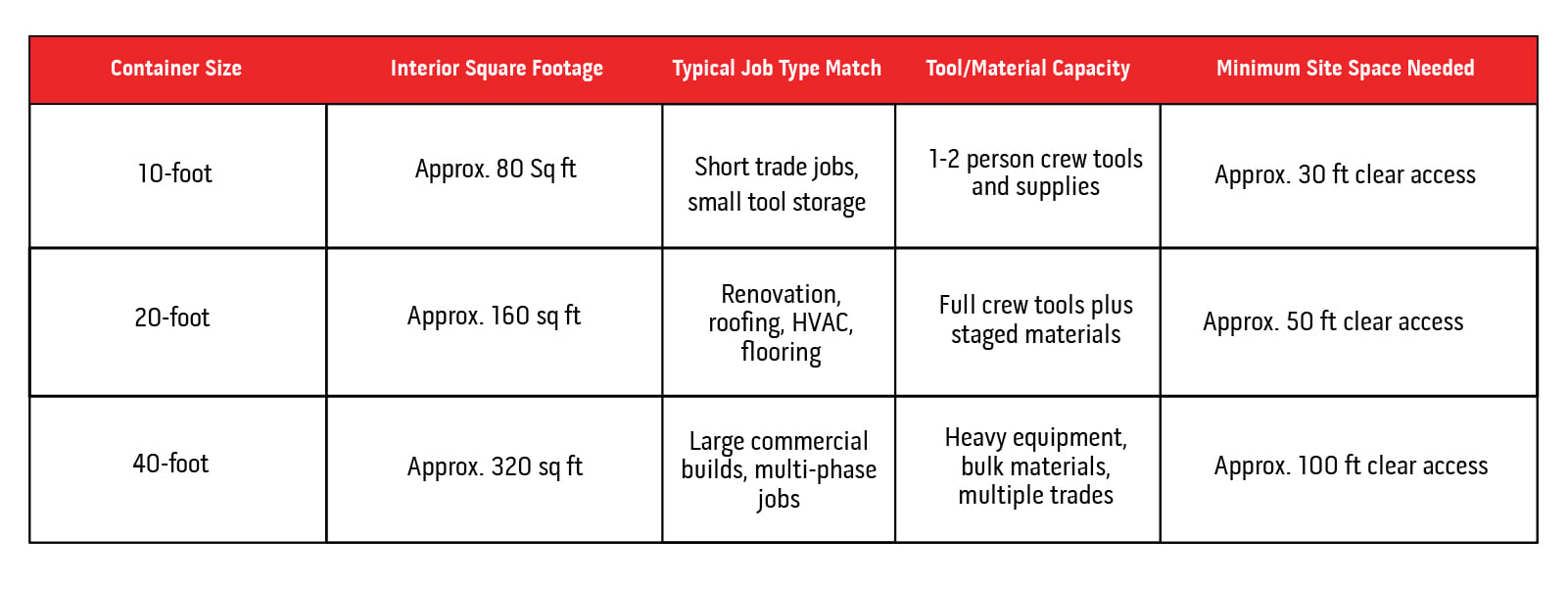
Container size selection is where most first-time renters overthink. Standard rental containers come in three lengths: 10 feet, 20 feet, and 40 feet. (Though 20 and 40 feet are much more common.) A standard 20-foot container offers roughly 1,170 cubic feet of interior storage space, while a 40-foot unit doubles that capacity. Most first-time contractor rentals fall into the 20-foot category because it handles most tool and material loads without requiring a large delivery footprint.
One detail worth knowing: some rental fleets offer high-cube containers, which add approximately one extra foot of interior height (9.5 feet versus the standard 8.5 feet). High-cube units allow better vertical stacking of materials and give larger equipment more clearance.
Because 40-foot containers require roughly 100 feet of unobstructed access road for tilt-bed or roll-off truck delivery, many urban and suburban job sites can only accommodate a 20-foot unit, which requires about 50 feet of access. Measure your site before you order.
Container Size Comparison
Pro Tip: Before calling for a quote, walk your site and measure the access path from the street to your preferred container placement spot. Note the width of any gates, the height of any overhead obstructions like power lines or tree branches, and whether the ground is paved, gravel, or soft soil. Having these numbers ready saves time and prevents a failed delivery attempt.
What Container Rental Actually Costs
Monthly rental rates for a 20-foot job site container range from under $100 and can reach $150 per month for the base rental. Price is dependent on your region and the rental company. Sales tax and damage protection are not included, and delivery and pickup fees will be added per trip, depending on the distance from the rental yard.
That cost is worth putting in context. A single tool theft event, replacing a circular saw, a laser level, and some hand tools, can easily exceed $1,000. A single wasted morning spent driving back to the shop to retrieve forgotten materials, for a two-person crew billing at $75 per person per hour, costs more than a week of container rental. The container usually earns back its cost quickly.
What Affects Your Final Price
Several specific variables push container rental quotes up or down:
- Delivery distance: Rental companies price delivery based on miles from their yard. Urban sites near distribution centers pay less than rural job sites requiring long-haul trucking.
- Rental duration: Some companies reduce the effective monthly rate for longer commitments. Booking a realistic project timeline upfront often costs less than booking short and extending.
- Permit requirements: Some municipalities require a temporary structure permit for job site containers placed on residential or commercial properties. Permit costs vary by jurisdiction and are typically the contractor's responsibility. Many cities publish their temporary structure permit classifications online, and it's worth checking before delivery day.
Renting vs. Buying a Storage Container
Used 20-foot shipping containers in cargo-worthy condition can range from approximately $2,200 to $3,500, depending on age, market location, condition of the container and vendor. This means the purchase price equals roughly 12 to 30 months of typical rental cost. On a pure dollar basis, buying can make financial sense for contractors who use on-site storage consistently and have a fixed yard or lot to keep the container between jobs.
For most first-time and project-based contractors, renting is the financially sound default. The reasons are straightforward. When you rent, the rental company handles trucking, delivery, pickup and maintenance. When you own a container, you could have to arrange and pay for transport yourself every time it moves. Owned containers placed permanently on a site may also trigger local zoning reviews or permit requirements that short-term rentals sometimes avoid under temporary-use classifications.
Project frequency is the clearest deciding factor. If you run consistent multi-site work with predictable storage needs and have a place to store the container between jobs, buying starts to pencil out after 18 to 36 months. If your project volume varies or you don't have a permanent storage location, renting preserves your flexibility and keeps capital out of a depreciating asset that sits idle between jobs.
Q: Can I sell a container if I buy one and no longer need it?
Yes. Used steel shipping containers retain value reasonably well compared to most construction equipment. A container purchased for $2,500 today could typically resell for $1,000 to $2,000 in similar condition a few years later, depending on market conditions. That residual value makes buying less financially risky than purchasing tools or equipment that depreciate to near zero. That said, you'll still need to arrange trucking to move the container for resale, which adds a logistics step that rental agreements handle automatically.
How the Rental Process Works Step by Step
The container rental process has five predictable steps. Once you know them, there is nothing unfamiliar or risky about placing your first order.
Getting a Quote and Booking
When you contact a rental company, they will ask for the job site address, your preferred container size, the estimated rental duration, and any site access constraints. Having this information ready makes the call faster and ensures the quote is accurate. Most companies can deliver within two to five business days of booking, but during peak season, booking one to two weeks out gives you more flexibility in the delivery window. Some companies will even give you a dedicated account rep that you can call directly about your order and delivery.
Delivery Day and Site Placement
Containers arrive on a tilt-bed or roll-off truck. These trucks require a relatively flat, firm surface to position the container safely. Gravel, asphalt, and compacted dirt all work. Soft or waterlogged soil can cause ground-bearing pressure problems that need to be addressed before delivery. (The vendor can guide you on this.) When the driver arrives, you can direct container placement and door orientation. Decide in advance which direction you want the doors to face, since repositioning after delivery typically costs extra.
End of Rental and Pickup
When the project is done, you contact the rental company to schedule pickup. Most companies require 48-72 hours’ notice. The container should be empty and reasonably clear of debris. If your project timeline extends, request an extension well before the rental end date. Rental companies sometimes have units reserved for other customers, so early communication helps you keep the same container in place without interruption.
Rookie Mistakes to Avoid on Your First Rental
Even experienced contractors have made the mistakes on this list. But, knowing them in advance is the difference between a smooth delivery and an avoidable cost.
-
Ordering the wrong size: Guessing at container size instead of estimating your actual tool and material volume results in either a cramped, overstuffed unit or paying for unused cubic footage. Walk through what you need to store before you call.
-
Not measuring the delivery path: Gate widths, overhead power lines, and low-hanging tree branches all affect whether a delivery truck can reach your placement spot. Measure before you book, not after the driver arrives.
-
Ignoring permit requirements: Contractors who don't check local temporary-structure rules risk municipal fines or, in the worst case, forced removal of the container from an active job site. A quick call to the local building department takes ten minutes.
-
Forgetting door swing clearance: Container doors swing outward approximately 270 degrees. If the container is placed too close to a fence, wall, or vehicle, you may not be able to open the doors fully. Leave at least four feet of clear space on the door end.
-
Booking too short a rental period: Booking the minimum duration to save money and then needing an extension ends up costing more than booking the realistic project timeline from the start. Build a buffer of one to two weeks into your initial rental estimate.
-
Not confirming what's included in the price: Base rental rates don't always include delivery, pickup, sales tax, damage protection, fuel surcharges, or environmental fees. Confirm the total before signing.
-
Skipping the floor and door inspection: When the container is delivered, do a quick inspection. Check that the doors open and close smoothly, the seals appear intact, and the floor has no major soft spots or rust damage. Note any issues with the driver before they leave.
Questions to Ask Before You Rent
A contractor who asks these questions before booking is doing exactly what experienced operators do. None of this is complicated, and any reputable rental company will answer every item without hesitation.
-
Does the quoted price include delivery and pickup, or are those billed separately?
-
What is the container's condition grade? Ask specifically whether it is a one-trip container, a cargo-worthy unit, or a wind-and-watertight unit. This tells you what level of weatherproofing to expect. Rental containers should be in good condition, even if they've been in the fleet for several years.
-
What type of lock does the container use? Most job site containers use a lockbox (a steel sleeve designed for a disc lock). Confirm whether the company provides a lock or whether you need to supply your own, and what disc lock size fits their lockbox.
-
Who is responsible for obtaining any required permits? In most cases, the contractor is responsible, but confirm this upfront.
-
What is the weight capacity of the container floor? Standard container floors are rated to handle distributed loads, but stacking heavy equipment in one spot can exceed local floor bearing limits. An uneven, heavy load can also shift the container frame, making the doors harder to operate.
-
How much notice is required to schedule pickup? And what happens if you need to extend the rental after the original end date?
-
What is the damage liability policy? Find out whether the rental company's coverage handles third-party damage or whether your general liability policy needs to respond to an incident involving the container.
-
Are there any fees for failed delivery attempts? If the truck arrives and can't complete the drop-off due to site access issues, most companies charge a dry run fee.
Key Takeaway: Container rental for contractors is a well-documented, widely used practice across all trades. The process is straightforward, the costs are predictable, and the mistakes are entirely avoidable with a few minutes of preparation. Ask the questions above before you book, measure your site before delivery day, and choose a rental duration that honestly reflects your project timeline. Everything else takes care of itself.
Whether you're a solo trade contractor protecting tools overnight or a general contractor staging materials across a multi-week build, the right on-site storage solution makes every project run more smoothly. SiteBox Storage specializes in job-site container rentals built around how contractors work, with clean, secure, weatherproof units, straightforward pricing, and delivery and pickup on your schedule. If you're ready to stop making daily haul trips and start running a tighter job site, contact SiteBox Storage today and let us help you find the right container for your project, your site, and your timeline.
Frequently Asked Questions About Renting Storage Containers for Job Sites
Can you rent a storage container for a job site?
Yes, and it is completely standard practice across every trade. Contractors rent portable storage containers — commonly called CONEX boxes or job site containers — the same way they rent lifts, dumpsters, and scaffolding. Roofing crews, HVAC contractors, remodelers, flooring installers, landscapers, and general contractors all use on-site container storage to secure tools, stage materials, and eliminate daily haul trips back to the shop.
How much does it cost to rent a storage container for a job site?
Monthly rental rates for a 20-foot job site container start under $100 and can go up to $150 per month for the base rental, depending on your region, and the rental company. Delivery and pickup fees are usually billed separately and vary based on distance from the rental yard. Sales tax and damange protection should also be considered. Always ask for the total before signing — fuel surcharges and environmental fees can affect the final number beyond the base rate.
What size storage container do I need for a construction job site?
Most contractor rentals are 20-foot containers, which offer approximately 160 square feet of interior storage and accommodate a full crew's tools plus staged materials for renovation, roofing, HVAC, and flooring jobs. A 10-foot unit works for smaller trade jobs with one or two crew members. A 40-foot container suits large commercial builds, multi-phase projects, or sites storing heavy equipment across multiple trades. Measure your site access path before ordering. A 40-foot container requires at least 100 feet of unobstructed road for delivery.
Is it cheaper to rent or buy a storage container for a job site?
For most first-time and project-based contractors, renting is the smarter financial choice. A used 20-foot container can be purchased for roughly $2,200 to $3,500, which equals 12 to 30 months of typical rental cost — but when you own a container, you are responsible for arranging and paying for transport every time it moves, which eliminates the convenience that makes rental practical. Buying makes sense for contractors with consistent multi-site storage needs, a fixed yard for storing the container between jobs, and a project volume that sustains use for 18 to 36 months.
How do storage container rentals work for contractors?
The process has five steps: get a quote by providing your site address, container size, rental duration, and access constraints; book delivery typically one to two weeks out during peak season; receive the container by tilt-bed or roll-off truck and direct placement on delivery day; use the container for the duration of your project; then contact the company 48-72 hours before you need pickup. Most rental companies can deliver within two to five business days of booking under normal conditions.
Do I need a permit to put a storage container on a job site?
It depends on your municipality. Some cities and counties require a temporary structure permit for job site containers placed on residential or commercial properties. Permit requirements and costs vary by jurisdiction and are typically the contractor's responsibility to obtain — not the rental company's. Check with your local building department before delivery day. Many cities publish their temporary structure permit classifications online, and a quick call takes far less time than dealing with a compliance issue after the container is already on site.
What is the difference between a one-trip container and a wind-and-watertight container?
A one-trip container has made a single ocean crossing and is nearly new, which means better condition, tighter seals, and a cleaner interior. A wind-and-watertight container is a used unit that has been inspected to confirm the doors seal properly and the roof does not leak. For a rental, the container should be in tip top condition, even if it's been in the fleet for many years. When you are buying a used container, that is where the difference comes into play.
Both grades protect tools and materials from weather and theft on most job sites. The choice comes down to how much interior condition matters for what you're storing and whether the price difference fits your project budget.
What are the most common mistakes contractors make when renting a storage container?
The most avoidable mistakes are ordering the wrong size without estimating actual storage needs, failing to measure the delivery access path before the truck arrives, ignoring local permit requirements, forgetting to leave door swing clearance of at least four feet on the door end, booking too short a rental period and paying more for an extension than an honest timeline would have cost upfront, and not confirming whether delivery and pickup are included in the quoted price or billed separately.
How do I lock a job site storage container?
Most job site containers use a lockbox — a welded steel sleeve over the door handles designed to accept a disc lock, which is significantly harder to cut than a standard padlock. Confirm with your rental company whether a lock is included or whether you need to supply your own, and ask what disc lock diameter fits their specific lockbox. A quality disc lock from a brand like Abloy or ABUS adds meaningful theft resistance beyond what the container's standard hardware provides.
Can I put a storage container on a residential job site?
Yes, in most cases. Residential job site container placement is common for whole-home renovations, kitchen and bath remodels, roofing projects, and exterior work. The practical considerations are site access for the delivery truck, ground condition at the placement spot (gravel, asphalt, and compacted dirt all work), and whether your municipality requires a temporary structure permit for containers on residential properties. Confirm permit requirements with your local building department before delivery.