


You’ve found a used container at a good price. It looks durable and solid in the photos, the dimensions check out, and the seller says it’s ready to go. But is it secure enough for what you need? Before you sign the paperwork and transport it to your location, here’s what the pros check first.
Why Used Shipping Container Security Matters More Than Ever
When you're storing valuable equipment, seasonal inventory, sensitive materials, or personal possessions, the risks of theft, damage, or exposure to weather are too serious to overlook. Whether you're using your container on a construction site or outside a warehouse, securing the contents from weather and theft is key. A secure used container can deliver peace of mind, but only if it meets strict standards. Those standards include looking deeper than just a good price.
Experienced buyers know that used containers vary widely in condition and performance. Even minor oversights like worn seals or hard-to-open doors can become costly problems. This guide draws from industry experts and logistics veterans to help you make a confident, informed decision.
Work Only with a Reputable Secure Container Supplier: Effective verification Steps
 When you’re buying a used container, the seller matters just as much as the container itself. A reputable supplier won’t promise what they can’t deliver, but they will offer transparency, honest assessments, and documentation that helps you make an informed decision.
Look for vendors who can:
- Provide recent photos of the exact container you're getting
- Confirm key structural details, like size, condition, and any modifications done in-house
- Show the CSC plate and ensure it matches the container’s serial number
While you can’t verify a used container’s full history, you can choose a supplier who inspects their units, explains what to expect, and stands behind what they sell. Ask what kind of shipping container maintenance they do on their units. That’s the first step to getting a secure used container that does its job without surprises.
Check a Container for Wind and Watertight (WWT) Seals to Enhance Weather Protection
A steel container’s structural integrity starts with its seal. Look for units clearly marked as "wind and watertight," often abbreviated as WWT. These containers have been inspected to ensure there are no leaks or weather vulnerabilities.
Rust, pinholes, or warped seals can compromise everything inside. A strong seal is essential for closure if your container will be stored outdoors in regions with heavy rain, snow, or humidity.
Walk inside the container during daylight, shut the door, and look for any slivers of light. Even the most minor breach can lead to mold, rust, or water damage. If you're storing items like tools, paper records, cardboard packaging, or electronics, a secure used container needs intact seals to protect what’s inside. No exceptions.
Weather Stripping on Shipping Containers: Small Detail, Big Impact
Many overlook the condition of weather stripping on used containers, but this minor detail can play a major role in keeping the interior secure and dry. It helps create an airtight seal and reduces condensation buildup inside a steel container.
If weather stripping is cracked, missing, or loose, your container is more vulnerable to temperature swings and condensation buildup. It’s worth replacing before use, especially if your container will be placed in regions with shifting seasons or high humidity. Ask your supplier whether they inspect or replace weather stripping before resale.
In a secure used container, that airtight seal adds another layer of protection you don’t want to skip.
Comparing Standard vs High-Cube Containers: Size Matters
A common question among buyers is the difference between standard and high-cube containers. Standard containers are typically 8.5 feet tall, while high-cube models offer an extra foot of vertical space at 9.5 feet.
That added headroom can make a big difference, especially if someone is:
- Storing tall equipment or stacked materials
- Installing interior shelving or lighting
- Using the container as a walk-in workspace
High-cube containers offer greater flexibility and improved airflow, which can help reduce heat buildup in warmer climates. On the other hand, if your needs are simple and space is tight, a standard-height container offers basic storage at a lower cost.
Choosing the right size helps you maximize usability and ensures your secure used container actually works for the job you need it to do.
Look For Cargo-Worthy Container Features
Containers categorized as “cargo-worthy” meet international shipping standards and have passed inspections for structural soundness. These units are often more reliable than “as-is” containers, which may show signs of rust, dents, or previous repairs.
Cargo-worthy units usually have:
- Intact corner castings for lifting and stacking
- Solid floors with no rot or soft spots
- Structurally sound walls and doors
A cargo-worthy designation does not guarantee perfection, but it indicates a container is structurally reliable and suited for secure storage. While you might pay more than you would for an “as-is” unit, a cargo-worthy used container is a smart middle ground between price and reliability.
Understand the Categories of Used Containers
Some buyers choose “as-is” containers with plans to recycle or reuse them for other purposes, like tool sheds or custom storage. Used containers fall into some common categories, and each one signals a different level of quality and price point. Understanding these categories helps match your budget with your shipping container security needs.
The main types include:
- One-Trip: Nearly new, these containers have only made one overseas journey. They typically show minimal wear and tear and are a top pick for buyers who prioritize condition and long-term use.
- Cargo-Worthy (CW): Structurally sound and suitable for storage or shipping. These are a good balance of cost and condition.
- Wind and Watertight (WWT): These containers are not certified for shipping but have been checked to ensure they keep out water and wind.
- As-Is: These may have visible damage, rust, or structural issues. These appeal to people who are prepared to make repairs or refurbish, don’t mind a rough aesthetic, or are buying them for scrap. Depending on the purchased from, they may be sold with no guarantees.
Inspect the Doors for Functionality and Fit
The most secure container in the world is useless if the doors don’t function properly. Hinges should move freely, locking rods should align cleanly, and the rubber seals should be intact. Pay attention to any stiffness or uneven alignment, as this can indicate shipping container damage or warping.
Secure containers should open and close smoothly without excessive force. Ask for a demo or video if buying remotely. A tight, well-sealed door is one of your container’s first lines of defense.
Look for Internal Hardware That Adds Security and Usability
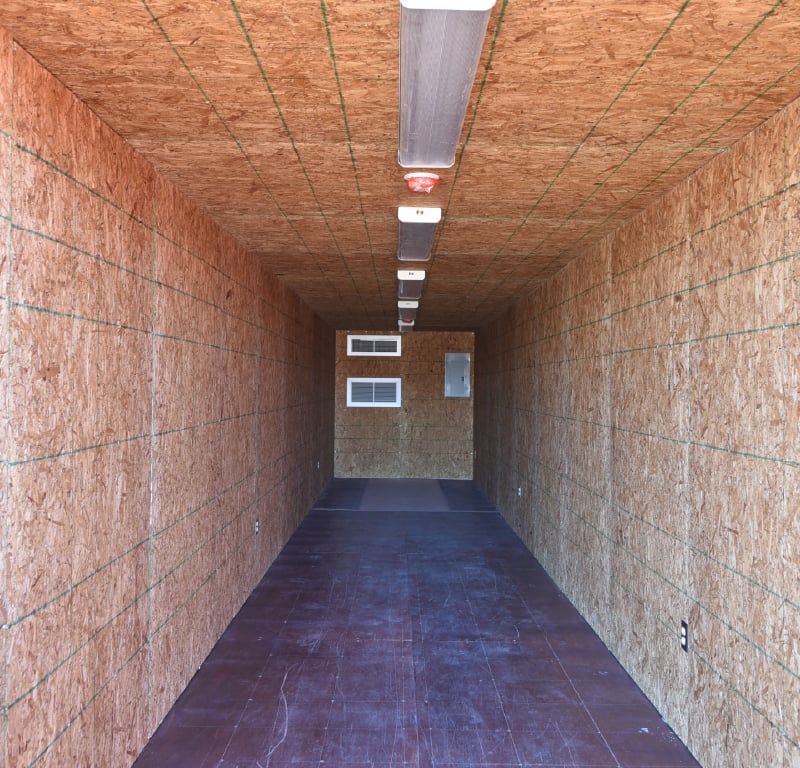
Many secure containers are equipped with helpful internal hardware and built-in features that make storage safer and more organized. Some suppliers may also be able to add them.
Look for features like:
- D-rings for strapping down tools, equipment, or materials
- Shelving to keep items off the floor and improve organization
- Ventilation piping to reduce heat and moisture buildup
- Lighting for visibility during early mornings, late evenings, or interior work
These features can improve usability and organization while also enhancing shipping container security. You can also use magnetic labels or a color-coded label system to identify and organize contents while simplifying inventory tracking. Items are less likely to shift or be damaged during transit or weather events. Consider which features you need now and which might be useful as your storage needs evolve.
Additional Security Tips for SEcure Used Containers
Depending on where your shipping containers are placed, additional security measures can be a big deterrent. Consider installing a tamper-proof padlock box, exterior locks, or even a fence around the area. Some customers also use alarm systems, motion-activated alarms, or security accessories like reinforced padlocks, for added protection.
If your container has windows (common in office conversions), make sure they’re secure from the outside. Taking a few extra steps, like limiting access, choosing a secure location, or adding fencing or a lock, can deter thieves and protect your goods, property, safety and peace of mind.
Choose Wisely, Protect What Matters With Enhanced Security
A secure used container is more than a box; it’s a trusted safeguard for what matters most. By taking time to inspect critical features, and ask the right questions, you will be able to choose a reputable supplier. This will protect your investment and help you avoid costly surprises.
Whether you're storing construction tools, sensitive documents, or valuable equipment, a properly vetted container gives you control, confidence, and long-term peace of mind.
SiteBox offers a variety of sizes, accessories, and security options to help protect your shipping containers, spaces, and what matters most. Choosing the right container doesn’t have to be complicated, but it does help to have an expert on your side. Phone a storage specialist today.

Frequently Asked Questions: Buying a Secure Used Shipping Container
What is the most secure type of used shipping container?
Cargo-worthy or one-trip containers with lockboxes, reinforced doors, and intact seals offer the highest level of security. Always ask about modifications that add protection, like welded D-rings or interior shelving that allows for organized, enclosed storage. Levels of protection are an important deterrent in shipping container security.
How can I verify a supplier before buying a container?
For safety sake, look for established vendors with consistent reviews, traceable sales history, and physical business locations. Request references and ISO certification, or photos of the actual container.
Are all used containers wind and watertight?
No. “Wind and watertight” (WWT) is a specific grade. Steel shipping containers are durable, but you should always inspect for rust holes, weakened seals, or damaged doors. Ask the supplier whether the container has been pressure-tested or recently weather-stripped.
Why is weather stripping important on a used container?
Weather stripping prevents moisture from seeping in through door frames, reducing the risk of mold, corrosion, and interior water damage. It’s especially important if you’re storing electronics, paper records, or materials sensitive to humidity.
What is the difference between a standard and high-cube container?
High-cube containers are typically one foot taller than standard containers, offering extra overhead space. They are ideal for taller equipment, interior shelving, or when working inside the container is required. However, high-cube units may be slightly more expensive or limited in some regions.
Should I choose a cargo-worthy container or a one-trip container?
One-trip containers are nearly new and usually have minimal wear, making them ideal for high-security or customer-facing applications. Cargo-worthy containers are more budget-friendly but may have dents or surface rust—ensure they're structurally sound and watertight.
What should I check about the Security of container doors?
Ensure the doors open and close easily, the gaskets seal fully, and there’s no warping or sagging. Stiff or damaged doors can be a sign of frame distortion, which compromises both usability and safety.
Are D-rings, shelves, pipe rails And Other Accessories worth it?
Yes. Interior fixtures like D-rings make it easier to secure cargo and tools, while shelving and pipe racks help maximize usable space. These features also make the container more functional and efficient as a jobsite solution.
Still have questions about secure used containers? Let one of our storage specialists walk you through your options, recommend the right products, and put a name to your needs. Contact SiteBox Storage today.