

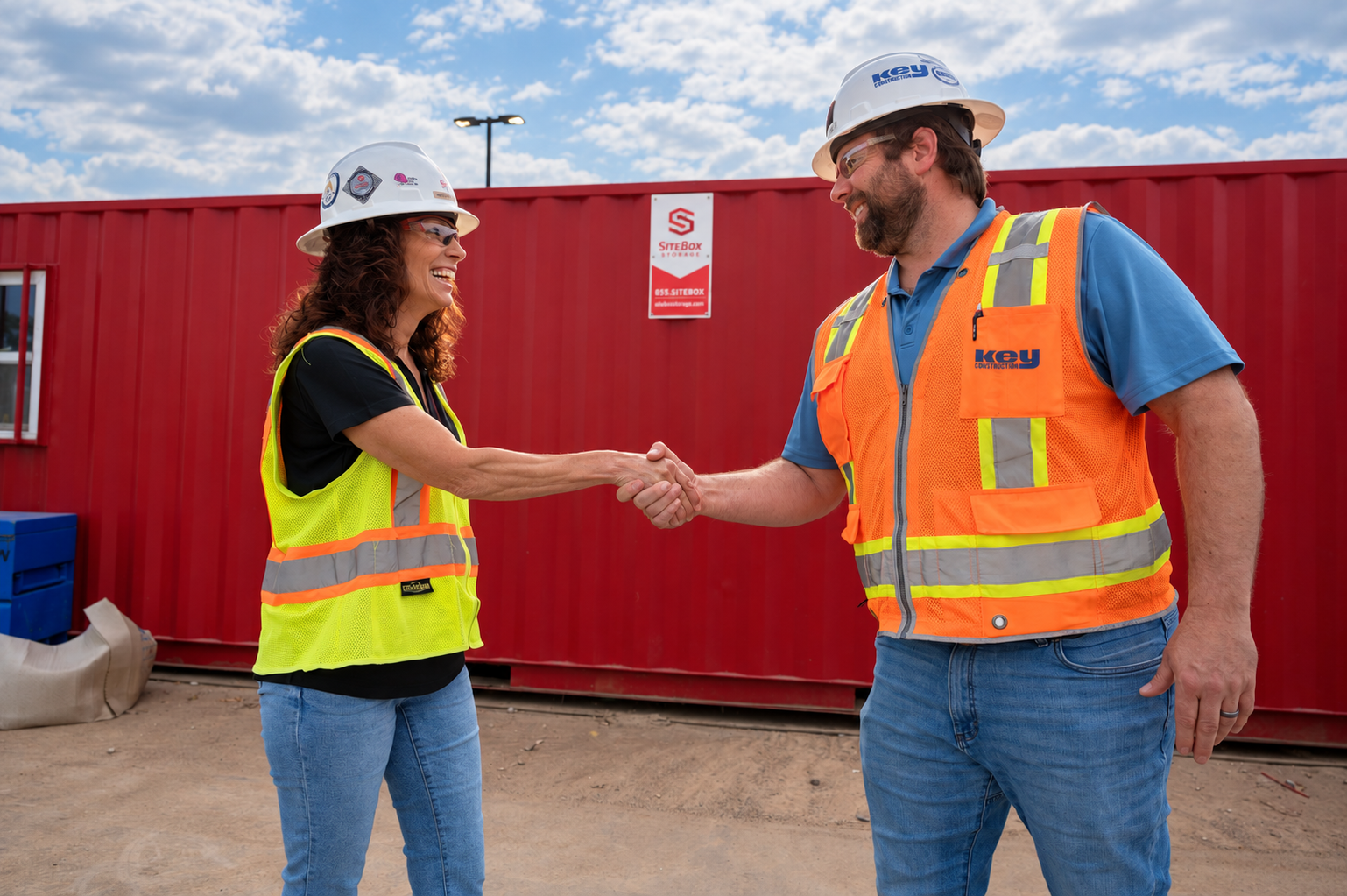
A steel box is a steel box, right? Most portable storage containers on the market share the same basic specs: 20 or 40 feet long, lockable doors, wind and watertight walls. If you lined up five units from five providers on a gravel lot, you would have a hard time telling them apart.
What separates one provider from another shows up after the order is placed. It shows up when the delivery window shifts because of rain. It shows up when a superintendent needs a second unit by Thursday, or when a site layout changes and the container is suddenly in the way of the crane pad. That’s where portable storage customer service either holds a project together or adds one more problem to a superintendent's day.
Over the past year, we have written about dedicated account managers and about why communication is the most underrated advantage on a jobsite. We think it’s such an important part of the storage container industry that we’re mentioning it again.
Local Expertise: Why Jobsite Storage Starts Before Delivery
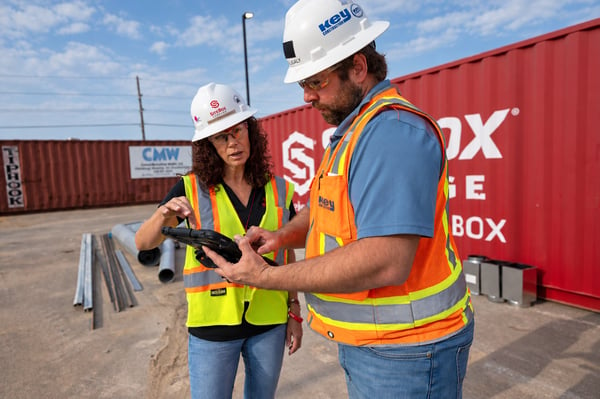 Jobsite storage starts with placement, which depends on local conditions. A team that works in your market every day knows things that a national call center can’t look up.
They know which counties require a permit for a temporary structure and which don’t. They know the soil on a mid-Missouri farm site turns soft after a week of rain, so they will suggest gravel or railroad ties under each corner before delivery. They know which roads near a downtown site can handle a tilt-bed truck and which ones have low wires or tight turns. They know a 40-foot unit needs about 100 feet of straight clearance and around 13-15 feet of overhead room, depending on equipment. A dedicated rep will ask about both before the driver leaves the yard.
That kind of knowledge prevents the most common delivery problems, like a unit dropped on uneven ground, doors that won’t open because the frame is twisted, or a truck that can’t reach the drop point at all. Each of those problems costs time. Some of them cost a second delivery fee.
Local expertise also matters after setup. When a crew in Wichita, Oklahoma City, Dallas, or Kansas City needs an extra unit, a local team can usually move faster because the inventory, drivers, and decision-makers are close by. Many on-site storage units can be delivered within a couple of business days of the order when the provider has a yard nearby.
When you search for something like, “storage container rental near me,” aren’t you really looking for that local knowledge? The container is just the product. The local team is the reason it works.
The Value of a Dedicated Storage Account Manager
When you ask project managers about bad vendor experiences, the stories are usually varying degrees of the same scenario. They called a general number, explained the situation, got transferred, explained it again, and waited for a callback that never came.
A dedicated storage account manager fixes that. You have one name and one phone number. That person knows the details like your site address, your delivery window and your gate code. They’ll even remember preferences like the general contractor wanting units placed behind the fence line. When something changes, you make one call, not three.
This matters most when several people are involved in the same rental. Procurement signs the agreement. The superintendent manages the site. A foreman needs access every morning. Accounting handles invoices. A dedicated contact keeps everyone on the same page, so the person who placed the order isn’t the only one who knows what was ordered.
 Jobsite Storage Coordination Before, During, and After the Rental
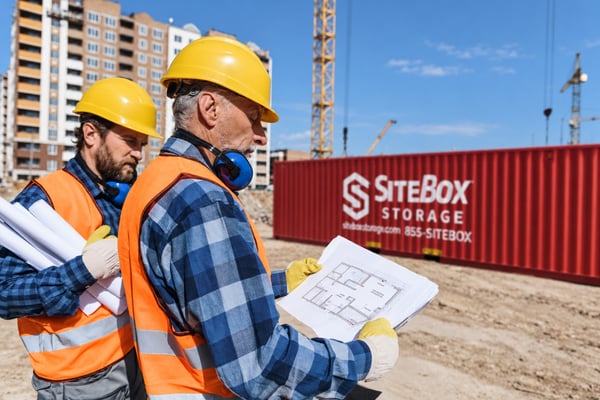
Good jobsite storage coordination isn’t a single phone call at the start of a project. It follows a simple pattern:
- Before delivery: confirm the drop location, ground conditions, access path, and clearance. Send a delivery window and a heads-up call when the driver is on the way.
- During the rental: check in when the project hits a new phase. Help plan for added units, relocations, or swaps to a different size. Respond quickly when a lock breaks or a door sticks.
- Before pickup: confirm the unit is empty and the path is clear. Schedule around the site's final punch list, not just the provider's truck route.
None of this is complicated. It just requires someone who is paying attention. Proactive communication turns a rental into a working relationship and is the part of portable storage customer service that customers notice most.
How Service Affects Jobsite Safety, Organization, and Efficiency
It is easy to treat onsite storage as a line item. But the way a provider handles service directly affects how a jobsite runs.
Safety: Proper Placement and Secure Onsite Storage
A container placed on soft or sloped ground can shift. Doors can bind or swing hard. A unit dropped too close to a traffic lane, or an excavation, creates a hazard for every crew on site. A provider who asks the right questions before delivery, and sends someone out when a door or lock fails, helps keep those risks off your safety report. Secure, lockable storage also keeps tools and materials off the ground and out of walkways, which cuts down on trips and falls.
Organization: Planning Construction Storage Containers by Phase
Construction storage containers for rent are only useful if crews can find what they need. Service teams can help plan the right mix of sizes for each phase of a project, suggest shelving or racks, and recommend placement that keeps materials close to where they will be used. On multi-phase projects, a good partner will help you plan when to add a unit, when to move one, and when to send one back.
Efficiency: Less Waiting, Less Theft, More Work Done
Every hour a crew spends waiting on a delivery, hunting for a key, or digging through a disorganized box is an hour of paid labor with nothing to show for it. Fast answers, accurate delivery windows, and quick fixes keep crews working. Secure storage also reduces theft, which means fewer replacement purchases and fewer delays waiting for new materials to arrive.
Service is a soft benefit. It shows up in your schedule, your safety record, and your budget.
 Why People Still Matter in an Automated Storage Industry
The portable storage industry has changed a lot in the last few years. You can get an online quote in minutes, book a delivery through a portal, and track a truck on your phone. Those tools are useful, and we use them too.
But jobsites don’t run on clean data. A portal can’t see that the site entrance moved since the order was placed. A chatbot can’t tell you whether a container will fit between a dumpster and a retaining wall. An automated email won’t call the superintendent at 6:30 a.m. to say the driver is 20 minutes out and the gate is still locked.
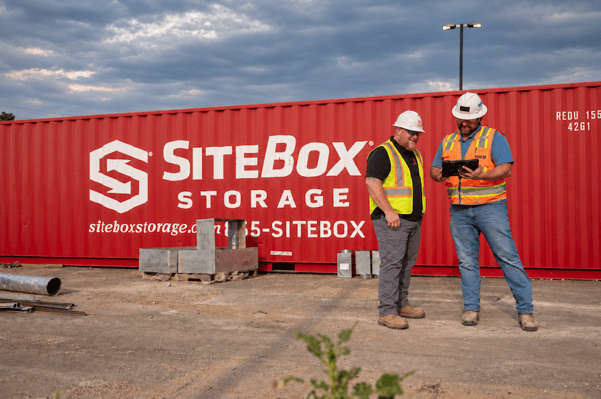
Those moments need a person. Someone who has been to sites like yours, who can make a judgment call, and who owns the outcome. Automation is good at handling the routine. People are what you need when the routine breaks, and on a construction project, the routine breaks often.
This is also why customers keep coming back to local providers. When our sales team was asked what sets SiteBox Storage apart, the answer was consistent: customers value working with real people who understand their jobsites, their industries, and their local challenges. That feedback shapes how we hire, how we train, and how we structure every market.
Questions to Ask a Portable Storage Provider Before You Rent
Price and unit size matter, but they don’t tell you how a provider will treat you once the container is on the ground. These questions will:
- Who will be my main contact, and how do I reach them directly?
- Is your team local to my area, and where is your nearest yard?
- How do you confirm site conditions before delivery?
- How much notice do you need to add, move, or swap a unit?
- What happens if a door, lock, or seal fails during the rental?
- How do you handle schedule changes on your end, and how will I hear about them?
- Can you share recent reviews from customers in my market?
The answers will tell you more about the next six months of your project than any spec sheet.
Planning Jobsite Storage for Q4: Choose a Partner, Not Just a Provider
As crews plan for end-of-year projects, it’s a good time to look at how your current storage setup is working. Did deliveries arrive when promised? Did you get answers when you needed them? Did your provider help you plan, or just drop off a box?
At SiteBox Storage, we see every rental as the start of a working relationship. Our local teams know your market. Our account managers know your sites by name. And when plans change, as they often do, you will have a real person on the other end of the phone.
If you’re mapping out storage, mobile offices, or combo units for the end of the year, contact your local SiteBox team to talk through your project schedule. We’ll help you plan the right units, the right timing, and the right placement before the first truck rolls.
Portable Storage Customer Service FAQs
What does good portable storage customer service look like?
Good portable storage customer service includes a single dedicated contact, a local team that understands site conditions, clear delivery windows, quick response to repairs, and help planning changes as a project moves through its phases.
Why does a dedicated account manager matter for jobsite storage?
A dedicated storage account manager knows your project details, so you don’t have to repeat information. One contact coordinates delivery, relocations, added units, and pickup, which cuts down on delays and miscommunication.
How does onsite storage improve jobsite safety?
Lockable onsite storage keeps tools and materials out of walkways and secured overnight. Proper placement on level, firm ground also prevents shifting units and doors that bind or swing unexpectedly.
What should I look for when renting construction storage containers?
Look beyond storage container price. Ask about local inventory, delivery lead times, site prep guidance, how repairs are handled, and who your day-to-day contact will be.
Is a local storage provider better than a national one?
Local providers often deliver faster and understand regional permits, soil conditions, and access limits. Many customers choose a local team because they get a real person who knows their area.